Korean Glazed Pork Belly
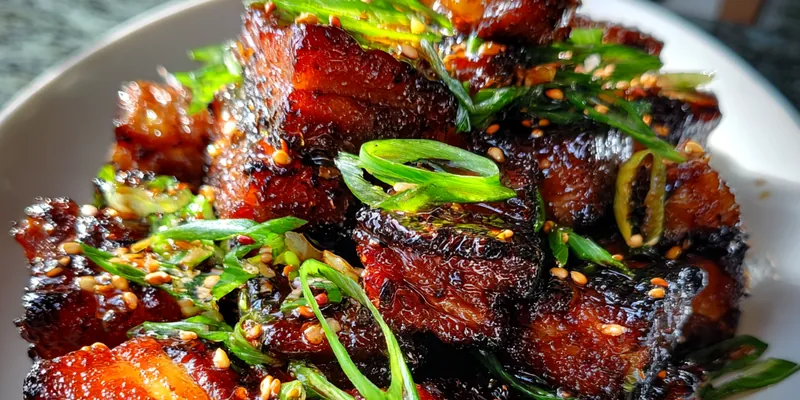
Korean Glazed Pork Belly is a mouthwatering dish that showcases the perfect balance of savory, sweet, and spicy flavors. This recipe is easy to follow and results in tender, melt-in-your-mouth pork belly glazed in a rich sauce. Perfect for a family dinner or entertaining guests, this dish is sure to impress. With its delicious flavor profile, it's a must-try for anyone looking to explore Korean cuisine.

Why This Korean Glazed Pork Belly Recipe Works
This recipe for Korean Glazed Pork Belly stands out because it expertly combines traditional Korean flavors with an easy-to-follow method. The balance of sweet, savory, and spicy elements creates a rich sauce that enhances the pork’s natural flavors. Using simple ingredients, you can achieve a restaurant-quality meal in your own kitchen.
The technique of searing and then simmering the pork belly allows the flavors to deeply penetrate the meat, resulting in a tender texture. Reducing the sauce at the end creates a glossy glaze that clings perfectly to the pork, making every bite a delight. It's a dish that always impresses without requiring advanced cooking skills.
💡 Professional Tip
For the best results, use high-quality pork belly. Look for cuts with a good balance of fat and meat, which will render beautifully as it cooks. Don't rush the glazing process; allowing the sauce to thicken properly will enhance the dish's flavor and presentation.
Frequently Asked Questions
Yes, you can definitely make Korean Glazed Pork Belly ahead of time. Prepare the dish up to the cooking step, let it cool, and store it in the refrigerator. When you’re ready to serve, simply reheat it gently on the stove or in the oven until warmed through and the glaze is sticky again. It’s a great option for meal prep or entertaining.
If you can't find gochujang, you can substitute it with a mixture of red pepper flakes and a bit of miso paste to achieve a similar flavor profile. Another alternative is to use a combination of Sriracha and a small amount of sugar for sweetness. While the flavor may differ slightly, these substitutes will still add a nice kick to the dish.
The pork belly is done when it is tender and the glaze has thickened to a syrupy consistency. You should be able to easily pierce the pork with a fork, and it should have a nice golden-brown color. Additionally, the internal temperature should reach at least 145°F for food safety.
Yes, you can freeze Korean Glazed Pork Belly. Allow it to cool completely after cooking, then place it in an airtight container or freezer bag. It can be stored in the freezer for up to 3 months. When ready to enjoy, thaw it in the refrigerator overnight and reheat on the stovetop or in the oven.
Korean Glazed Pork Belly pairs wonderfully with steamed rice and a side of pickled vegetables to balance its richness. You can also serve it with kimchi for a traditional touch or alongside a fresh salad to add some crunch. For a complete meal, consider adding some stir-fried greens or a light soup.
Korean Glazed Pork Belly can be stored in the refrigerator for about 3-4 days when kept in an airtight container. To ensure optimal flavor and safety, make sure it is cooled to room temperature before refrigerating. Reheat thoroughly before serving.
Absolutely! You can prepare Korean Glazed Pork Belly in advance by making the marinade and marinating the pork a day ahead. Cook the dish on the day of serving to keep the pork belly tender and the glaze fresh. You can also cook it ahead and simply reheat it on the day of serving.
The best way to reheat Korean Glazed Pork Belly is to gently warm it in a skillet over medium-low heat. Add a splash of water or additional marinade to help loosen the glaze. Stir occasionally until heated through and the glaze is revitalized. Avoid reheating in the microwave, as it can make the pork tough.
Recipe Troubleshooting Guide
Too Dry
Problem: If your Korean Glazed Pork Belly turns out too dry, it may be due to overcooking.
Solution: To prevent this, ensure to cook the pork belly at low temperatures and monitor it closely. Consider adding a bit of broth or water while cooking to maintain moisture.
Not Crispy Enough
Problem: If the pork belly isn’t crispy, it may not have been seared properly.
Solution: Make sure to sear the pork belly in a hot pan with enough oil to achieve a golden-brown crust before simmering. Also, ensure that the skin is facing down during searing.
Overcooked
Problem: Overcooked pork belly can become tough and chewy.
Prevention: To prevent overcooking, keep an eye on the cooking time and temperature. Use a meat thermometer to ensure it reaches the right internal temperature without exceeding it.
Undercooked Center
Problem: If the center of the pork belly is undercooked, it will be chewy.
Recovery: Make sure to cook the pork belly thoroughly by simmering it long enough and checking the internal temperature. If needed, return it to the heat until fully cooked.
Burnt Exterior
Problem: A burnt exterior can occur if the heat is too high during cooking.
Prevention: To avoid this, use medium heat and watch the cooking process closely. If browning too quickly, lower the heat and cover the pan to cook evenly.
Flavor Balance
Too Sweet: If the dish is too sweet, consider balancing it with a bit of vinegar or soy sauce to cut the sweetness.
Too Salty: If it's too salty, add a pinch of sugar or a splash of water to dilute the saltiness.
Bland: If the dish is bland, try adding more seasoning, such as garlic or ginger, to enhance the flavor profile.
Essential Ingredients for Korean Glazed Pork Belly
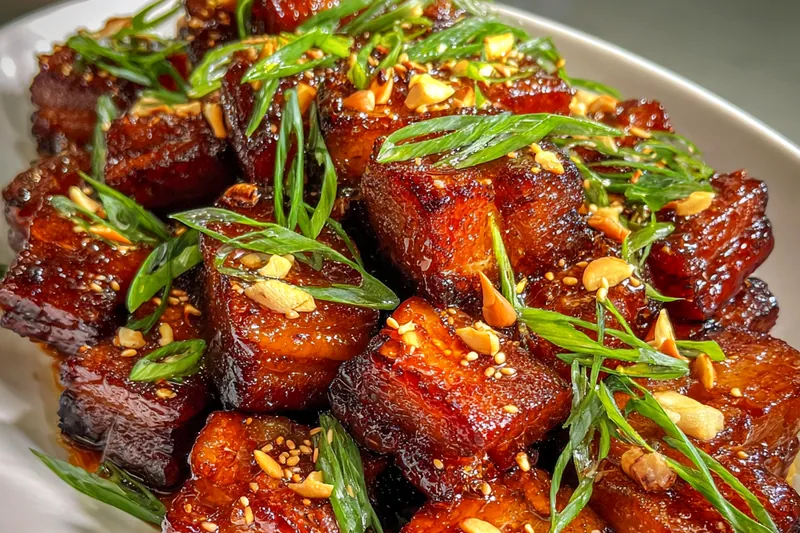
The key ingredients for Korean Glazed Pork Belly include pork belly, soy sauce, and gochujang. Each of these components contributes to the complexity and depth of flavor found in the dish. Using high-quality meat ensures a tender and flavorful result, while the marinade ingredients create that signature Korean taste.
When selecting pork belly, look for pieces with a good ratio of meat and fat. Fresh, high-quality soy sauce and gochujang will elevate the dish significantly. Additionally, fresh garlic and ginger are essential for authentic flavor, making all the difference in the final taste.
Essential Ingredient Notes
- Pork Belly: Choose pork belly that has a good balance of fat and meat for the best flavor and texture. The fat renders beautifully during cooking, adding richness to the dish. Look for cuts that are fresh and well-marbled for optimal results.
- Gochujang: Gochujang is a fermented chili paste that provides depth and complexity to the sauce. It adds a unique umami flavor that enhances the overall dish. When purchasing gochujang, look for reputable brands that offer authentic taste.
- Soy Sauce: Using high-quality soy sauce is crucial for achieving the best flavor in this recipe. Opt for naturally brewed soy sauce for a richer taste. It serves as the backbone of the marinade, balancing sweetness and saltiness beautifully.
Step-by-Step Cooking Process
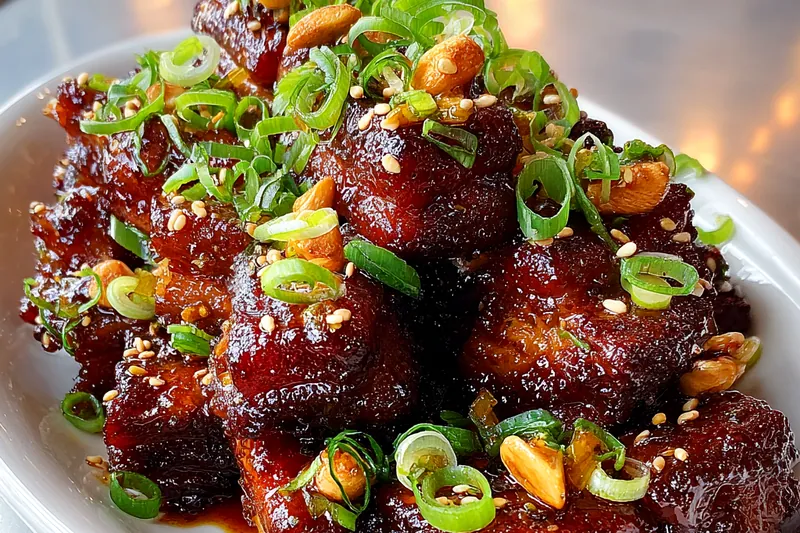
The cooking process for Korean Glazed Pork Belly involves marinating the pork, searing it to develop a crispy exterior, and then simmering it until tender. The key is to ensure the marinade seeps deeply into the meat, enhancing its flavor. This method results in pork that is juicy and flavorful, with a glaze that sticks perfectly.
Achieving perfect results requires patience during the simmering process. Allow the pork belly to cook slowly to break down the fat, resulting in a melt-in-your-mouth texture. At the end, reducing the marinade into a thick glaze gives the dish a beautiful finish and an irresistible shine.
Key Technique for Perfect Korean Glazed Pork Belly
The most important technique for Korean Glazed Pork Belly is allowing the meat to marinate adequately before cooking. This helps the flavors penetrate deeply, ensuring a delicious outcome. Additionally, mastering the searing process is vital for achieving a crispy texture, which contrasts beautifully with the tender meat.
Korean Glazed Pork Belly
📋 Ingredients
Main Ingredients
- 1/4 cup soy sauceFor marinade
- 1/4 cup brown sugarFor sweetness
- 1/4 cup rice vinegarFor acidity
- 2 tablespoons sesame oilFor depth of flavor
- 1 tablespoon gochujangFor spice
- 1 tablespoon honeyFor additional sweetness
For the Sauce
- 2 lbs pork bellyCut into 1-inch cubes
- 4 cloves garlicMinced
- 1 inch gingerGrated
- 1/2 teaspoon black pepperFor seasoning
- 1/4 teaspoon saltFor seasoning
- 1 tablespoon vegetable oilFor cooking
- 1 cup waterFor simmering
- 1 sliced green onionFor garnish
- 1 tablespoon sesame seedsFor garnish
Instructions
Prepare Pork Belly
Cut the pork belly into 1-inch cubes and season with salt and pepper.
Make Marinade
In a bowl, mix together soy sauce, brown sugar, rice vinegar, sesame oil, gochujang, honey, garlic, and ginger.
Marinate
Add the pork belly to the marinade, cover, and refrigerate for at least 30 minutes.
Heat Oil
In a large skillet, heat vegetable oil over medium-high heat.
Sear Pork
Add the marinated pork belly to the skillet and sear until browned on all sides.
Add Water
Pour in 1 cup of water and bring to a simmer.
Cook
Cover and cook on low heat for 30 minutes, stirring occasionally.
Glaze
Remove the lid and increase heat to high to reduce the sauce until it thickens and coats the pork.
Serve
Garnish with green onions and sesame seeds before serving.
Recipe Notes & Tips
Storage Tips
To store Korean Glazed Pork Belly, let it cool completely before transferring to an airtight container. It can be kept in the refrigerator for 3-4 days. For longer storage, freeze it in portions and reheat when ready to enjoy.
Serving Suggestions
Korean Glazed Pork Belly is best served with steamed rice and a side of kimchi. For a complete meal, pair it with a fresh salad or stir-fried vegetables. It also makes a great filling for lettuce wraps.
Recipe Variations
For a twist on this recipe, try adding sliced bell peppers or onions during the cooking process for added flavor and texture. You could also use different cuts of pork, such as shoulder, or replace the gochujang with a milder chili paste for a less spicy version.