Garlic Parmesan Focaccia Bread
Garlic Parmesan Focaccia Bread is a delightful Italian appetizer that brings together the robust flavors of garlic and parmesan in a soft, pillowy bread. This recipe is perfect for sharing and pairs wonderfully with soups, salads, or your favorite pasta. The fragrant herbs and rich olive oil elevate this bread to a whole new level of deliciousness. Whether for a special occasion or a casual gathering, this focaccia is sure to impress.

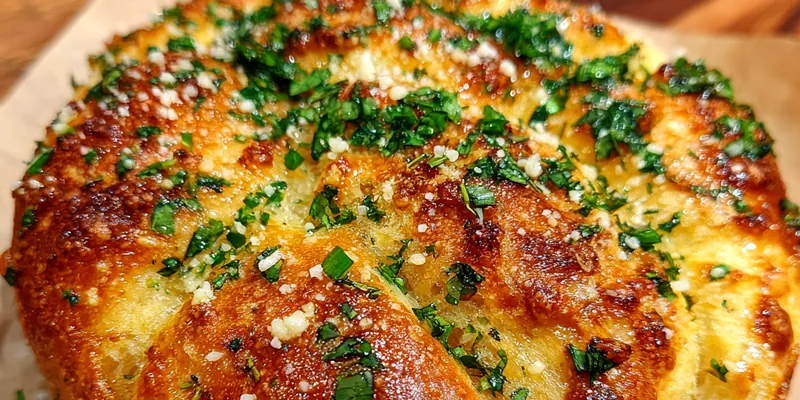
Why This Garlic Parmesan Focaccia Bread Recipe Works
This recipe for Garlic Parmesan Focaccia Bread stands out due to its perfect balance of flavors and texture. The use of high-quality olive oil adds richness, while the fresh garlic and parmesan create a savory aroma that fills the kitchen. With a soft, airy interior and a slightly crispy crust, this focaccia is a delight for the senses.
The technique of creating dimples in the dough before baking allows the flavors to meld beautifully during the cooking process. Allowing the dough to rise twice ensures a light and fluffy bread that is not dense. It’s a simple yet effective method that results in a focaccia that rivals any bakery.
💡 Professional Tip
For the best flavor, use freshly grated Parmesan cheese and good quality olive oil. Allow your dough to rise in a warm, draft-free area for optimal results. If you want added flavor, experiment with different herbs or toppings like olives or sun-dried tomatoes.
Frequently Asked Questions
Yes, you can prepare the dough ahead of time and refrigerate it after the first rise. Simply punch it down, cover it tightly, and store it in the fridge for up to 24 hours. When ready to bake, let it come to room temperature, shape it, and allow it to rise again before baking.
If you don't have olive oil, you can use melted butter or vegetable oil as a substitute. However, using olive oil will enhance the flavor and keep the authenticity of the recipe. For a unique twist, try using infused oils like garlic or herb oil.
The focaccia is done when it is golden brown on top and sounds hollow when tapped on the bottom. Additionally, you can use a toothpick to test the center; it should come out clean. If necessary, you can bake it a few minutes longer to achieve the perfect color.
Yes, focaccia can be frozen. Allow it to cool completely after baking, then wrap it tightly in plastic wrap and store it in an airtight container. It can be frozen for up to three months. To enjoy, thaw at room temperature and reheat in the oven for a few minutes.
Garlic Parmesan Focaccia Bread is versatile and pairs well with a variety of dishes. Serve it alongside soups, stews, or salads for a complete meal. It also makes a fantastic appetizer with dips like hummus or marinara sauce. Enjoy it as a side with your favorite Italian pasta dishes as well.
When stored properly in an airtight container, Garlic Parmesan Focaccia Bread can last up to 3-5 days in the fridge. To maintain its freshness, it's best to consume it within the first couple of days. If the bread starts to dry out, you can warm it slightly in the oven to revive its texture.
Yes, you can prepare the dough a day ahead and let it rise in the fridge. After the first rise, shape it and place it in the greased baking sheet, covering it with plastic wrap. Let it rise at room temperature for about 20-30 minutes before baking. This method allows for more flavor development.
The best way to reheat focaccia is in the oven. Preheat the oven to 350°F (175°C), wrap the bread in aluminum foil to prevent it from drying out, and heat for about 10-15 minutes. For a crispier texture, remove the foil for the last few minutes of heating.
Recipe Troubleshooting Guide
Too Dry
Problem: If your focaccia turns out dry, it may be due to overbaking or insufficient water in the dough.
Solution: To prevent dryness, make sure to follow the recipe measurements closely and keep an eye on the baking time. If this happens, you can brush the bread with olive oil or melted butter after baking for added moisture.
Not Crispy Enough
Problem: A focaccia that isn't crispy may not have had enough oil or was baked at too low a temperature.
Solution: Ensure that you use enough olive oil on the surface before baking and check your oven temperature. A hotter oven helps achieve that golden, crispy crust.
Overcooked
Problem: Overcooked focaccia can become hard and tough.
Prevention: To prevent overcooking, always check for doneness a few minutes before the recommended time. If you notice it's browning too quickly, you can cover it with foil to slow the cooking process.
Undercooked Center
Problem: An undercooked center may indicate that the dough needs more baking time.
Recovery: If you find the center undercooked, return the focaccia to the oven for a few more minutes. Cover it with foil to prevent the top from burning while ensuring the center cooks through.
Burnt Exterior
Problem: A burnt exterior can occur if the oven temperature is too high.
Prevention: To avoid a burnt exterior, ensure that your oven temperature is set correctly and consider placing the dough on a lower rack in the oven to ensure even cooking.
Flavor Balance
Too Sweet: If the focaccia is too sweet, reduce the sugar in the dough next time.
Too Salty: If it's too salty, you can balance it with a little extra olive oil or serve it with a less salty dip.
Bland: To fix bland focaccia, enhance its flavor with more herbs, garlic, or even a sprinkle of sea salt before baking.
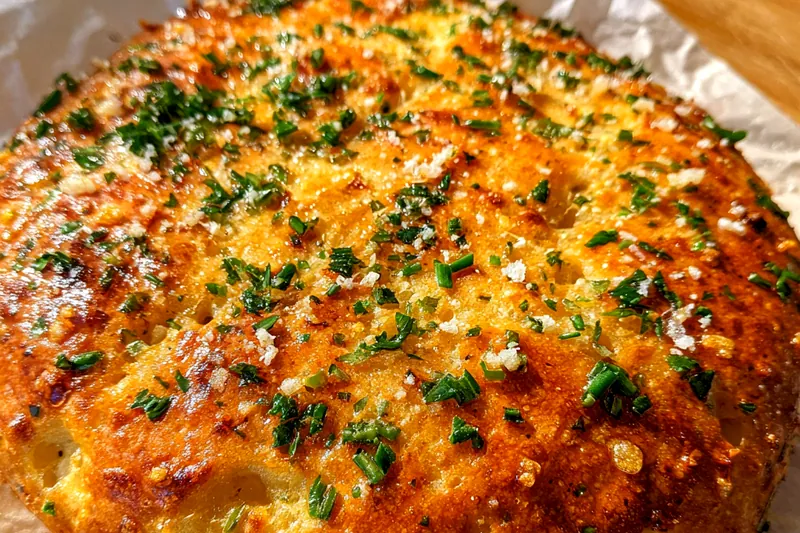
Essential Ingredients for Garlic Parmesan Focaccia Bread
Key ingredients for this recipe include high-quality olive oil, fresh garlic, and grated Parmesan cheese. Each element contributes significantly to the overall flavor profile of the focaccia. Using fresh ingredients will ensure the best taste and aroma.
When selecting your ingredients, opt for authentic Parmigiano-Reggiano for a richer flavor. Additionally, using fresh garlic instead of pre-minced versions will enhance the dish's authenticity. The combination of dried and fresh herbs elevates the focaccia, making it a standout appetizer.
Essential Ingredient Notes
- Olive Oil: Opt for extra virgin olive oil for the best flavor. It enhances the richness of the focaccia and helps to create a beautiful golden crust when baking. Always keep it on hand for drizzling before serving for an extra layer of flavor.
- Parmesan Cheese: Use freshly grated Parmesan cheese for optimal flavor and meltability. Pre-grated cheese often contains additives that can affect texture. Grating it fresh allows for better melting and adds a lovely nutty flavor to the focaccia.
- Fresh Herbs: Incorporating fresh herbs like rosemary or basil not only adds vibrant flavor but also elevates the visual appeal. Always wash and dry your herbs before chopping to maintain their freshness and texture.
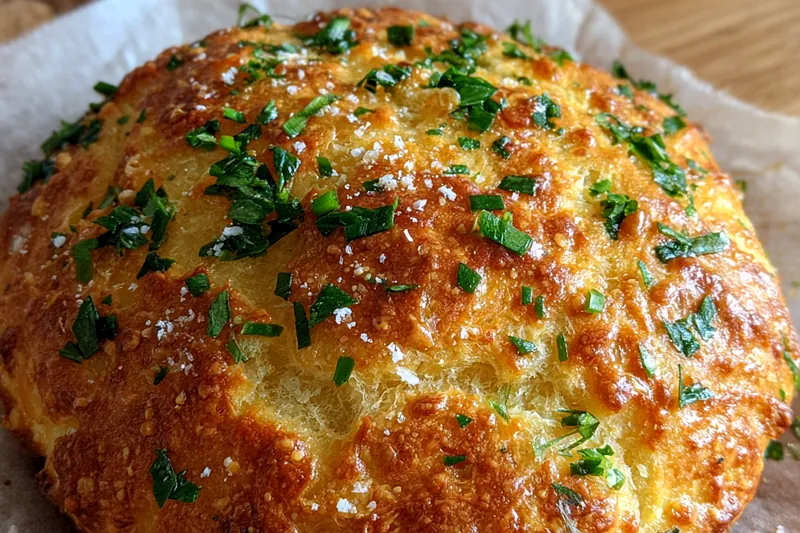
Step-by-Step Cooking Process
The cooking process for Garlic Parmesan Focaccia Bread is straightforward and rewarding. It involves mixing, kneading, and allowing the dough to rise, which develops gluten and flavor. The dough is then shaped, topped with garlic and cheese, and baked to perfection.
To achieve the best results, ensure your dough is properly kneaded and allowed to rise in a warm place. The dimples you create in the dough before baking are crucial for holding the toppings and ensuring an even cook. Follow these steps for a fluffy, flavorful focaccia.
Key Technique for Perfect Garlic Parmesan Focaccia Bread
The key to perfect Garlic Parmesan Focaccia Bread lies in the rising process. Allowing the dough to rise adequately ensures a light and airy texture. Additionally, creating dimples in the dough not only enhances the visual appeal but also allows the oil and toppings to seep into the bread, maximizing flavor.
Garlic Parmesan Focaccia Bread
📋 Ingredients
Main Ingredients
- 1 cup butterRoom temperature
- 1 tablespoon garlic powderFor added flavor
- 1 teaspoon dried parsleyOptional
- Salt to tasteEnhances flavor
For the Sauce
- 2 cups warm waterIdeal temperature for yeast activation
- 1 packet active dry yeastEnsure freshness
- 5 cups all-purpose flourFor structure
- 1 tablespoon sugarHelps yeast activation
- 1 tablespoon saltFor flavor
- 1/2 cup olive oilFor richness
- 4 cloves garlic, mincedFreshness matters
- 1 cup grated Parmesan cheeseFor topping
Instructions
Activate Yeast
In a bowl, combine warm water and yeast. Let it sit for about 5 minutes until frothy.
Mix Dry Ingredients
In a large mixing bowl, combine flour, sugar, and salt.
Combine Ingredients
Add the yeast mixture and olive oil to the dry ingredients. Mix until a dough forms.
Knead Dough
Turn the dough onto a floured surface and knead for about 5-7 minutes until smooth.
First Rise
Place the dough in a greased bowl, cover with a damp cloth, and let it rise in a warm place for 1 hour, or until doubled in size.
Prepare Pan
Preheat your oven to 400°F (200°C). Grease a baking sheet with olive oil.
Shape Dough
Punch down the risen dough and spread it onto the prepared baking sheet. Make dimples with your fingers.
Add Toppings
Drizzle with olive oil, sprinkle minced garlic, Parmesan cheese, oregano, rosemary, and black pepper on top.
Second Rise
Let the dough rise again for about 20 minutes before baking.
Bake
Bake in the preheated oven for 25-30 minutes, or until golden brown.
Cool and Serve
Let the focaccia cool for a few minutes, then slice and serve warm.
Recipe Notes & Tips
Storage Tips
To keep Garlic Parmesan Focaccia Bread fresh, store it in an airtight container at room temperature for up to 3 days. If you plan to keep it longer, consider freezing it. Wrap it tightly in plastic wrap and place it in a freezer-safe bag. It can be frozen for up to 3 months.
Serving Suggestions
Garlic Parmesan Focaccia Bread can be served as a standalone appetizer or as a side dish with your favorite Italian meals. Pair it with a warm marinara sauce for dipping, or enjoy it with a fresh salad. It's also great for making sandwiches!
Recipe Variations
Feel free to experiment with different toppings! Try adding olives, sun-dried tomatoes, or a variety of cheeses for unique flavors. You can also infuse the dough with herbs like thyme or basil for an added twist.